
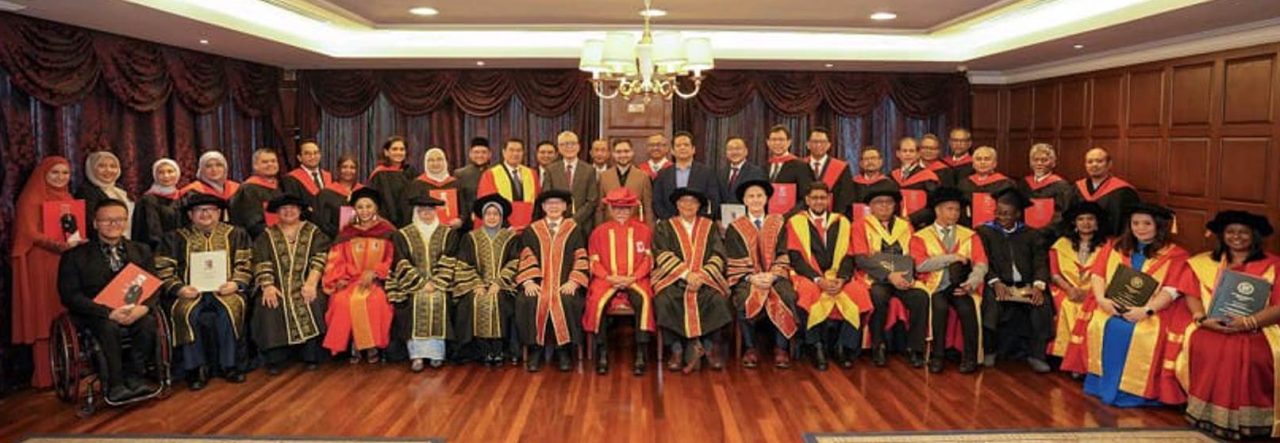
The Validation des Acquis de l’Expérience (VAE) process in France has become a transformative pathway for professionals to validate their experience and elevate their careers. By allowing individuals to convert years of hands-on expertise into recognized academic qualifications, the VAE bridges the gap between practical knowledge and formal credentials. It’s a powerful tool for those who have mastered their craft through work and are ready to see their skills officially recognized.
Consider the case of an IT professional with a background in economics who had built a successful career but lacked a formal degree to match his expertise. Using the VAE, he earned a Master’s in Management from a prestigious business school in southern France. This recognition not only validated his abilities but also positioned him as a credible leader in the business and technology sectors, opening doors to new career opportunities.
Another example is a governance and strategy specialist who had years of professional experience but found himself stuck without an advanced degree. Through the VAE, he obtained a Master’s in Governance and Strategy from a renowned university in Paris. This qualification allowed him to take on higher-level roles and thrive in a competitive job market.
The VAE process has also enabled professionals to transition into new roles. A healthcare worker, for instance, leveraged her extensive on-the-job experience to earn a nursing diploma, allowing her to step into a higher-paying, more impactful position. Similarly, an engineer with years of practical experience but no formal degree successfully obtained a recognized engineering diploma, enabling him to lead more complex projects and gain the respect his expertise deserved.
In the social sector, a professional with over a decade of experience used the VAE to obtain a diploma in social work from a respected institution in western France. This credential was a game-changer, enabling her to secure a managerial position and advance her career in ways that were previously unattainable.
The advantages of the VAE process are clear. It offers globally respected certifications that enhance a professional’s credibility and competitiveness. It also provides a formal acknowledgment of skills acquired through practical experience, ensuring that expertise gained outside the classroom is just as valuable as that gained within it. Most importantly, the VAE empowers individuals to break through barriers and achieve their full potential, whether by transitioning into new roles or advancing within their current field.
For professionals who have built their careers through dedication and real-world learning, the VAE is more than just a certification process. It’s a gateway to recognition, a means to bridge the gap between experience and opportunity, and a key to unlocking the next chapter of success.
Around the world, many countries have developed processes similar to France’s Validation des Acquis de l’Expérience (VAE), offering professionals the opportunity to convert their work experience into formal academic or vocational qualifications. These systems recognize that valuable expertise is often acquired outside traditional education settings, and they aim to bridge the gap between practical skills and formal recognition. Here are some notable examples:
United Kingdom: Recognition of Prior Learning (RPL)
In the UK, the Recognition of Prior Learning (RPL) allows individuals to gain credit toward qualifications based on their previous learning and work experience. This system is widely used across higher education and vocational training programs. For instance, a professional with years of experience in project management can use RPL to skip certain coursework requirements and earn a degree or certification faster. This approach has been particularly beneficial for mid-career professionals seeking to formalize their expertise while balancing work commitments.
United States: Prior Learning Assessment (PLA)
In the United States, the Prior Learning Assessment (PLA) enables individuals to earn college credits for knowledge gained through work, military service, or independent study. Many universities and colleges accept PLA credits, allowing students to demonstrate their expertise through exams, portfolios, or professional certifications. For example, an IT technician with years of hands-on experience can earn credits toward a computer science degree by presenting a portfolio of their work or passing an industry-recognized certification exam.
Canada: Prior Learning Assessment and Recognition (PLAR)
Canada’s PLAR system operates similarly, allowing individuals to have their skills and knowledge assessed for academic credit or professional certification. This process is widely used in vocational training and post-secondary education, particularly in trades and healthcare. A nurse with extensive experience but no formal degree can use PLAR to qualify for advanced standing in a nursing program, fast-tracking their path to certification.
Australia: Recognition of Prior Learning (RPL)
In Australia, the RPL framework is integrated into the country’s vocational education and training (VET) system. Individuals can demonstrate their skills and competencies through assessments conducted by registered training organizations (RTOs). For instance, a tradesperson with years of experience but no formal qualification can use RPL to obtain a certificate or diploma, enabling them to meet licensing requirements and expand their career opportunities.
Germany: Anerkennung von Berufsqualifikationen (Recognition of Professional Qualifications)
In Germany, professionals with foreign or informal qualifications can have their skills recognized through the Anerkennung von Berufsqualifikationen process. This system is particularly important for migrants and skilled workers, allowing them to integrate into the German labor market. For example, an engineer trained abroad can have their qualifications assessed to gain recognition and access to local professional networks.
India: Recognition of Prior Learning under NSDC
India has implemented an RPL system under the National Skill Development Corporation (NSDC) to upskill and formalize the qualifications of its workforce. This program is especially prevalent in trades and crafts, offering certifications to workers in construction, textiles, and other industries. It helps bridge the gap between informal sector skills and formal employment opportunities.
South Africa: Recognition of Prior Learning (RPL)
South Africa’s RPL framework recognizes the skills and knowledge acquired through work experience, enabling individuals to gain qualifications without starting from scratch. It’s a critical component of the country’s efforts to address educational inequalities and promote workforce development. For instance, a community health worker can use RPL to qualify for advanced standing in a public health program.
Advantages of Experience-Based Recognition Programs
While the specific processes vary, these systems share several key benefits:
- Career Advancement: They allow professionals to formalize their expertise, unlocking opportunities for higher-paying roles and promotions.
- Cost and Time Efficiency: By bypassing redundant coursework, individuals save time and money in earning qualifications.
- Inclusivity: These systems provide pathways for individuals who may not have access to traditional education but have gained substantial skills through work.
- Global Mobility: Recognized qualifications help professionals integrate into international job markets, particularly in regulated industries like healthcare and engineering.
Experience-based recognition programs like VAE are a testament to the value of lifelong learning, ensuring that skills gained in the real world are equally respected and rewarded. They not only benefit individuals but also strengthen industries by bridging the gap between practice and formal education.


You must be logged in to post a comment.